
42. Alignment

I read the book Dear England and found myself drawn into a deeper reflection on leadership, culture, and long-term alignment. The conversation surfaced a fundamental truth: high performance in any organisation is not driven solely by talent, process, or incentives. It is shaped by the narrative people choose to believe in and the degree to which that narrative holds under pressure.
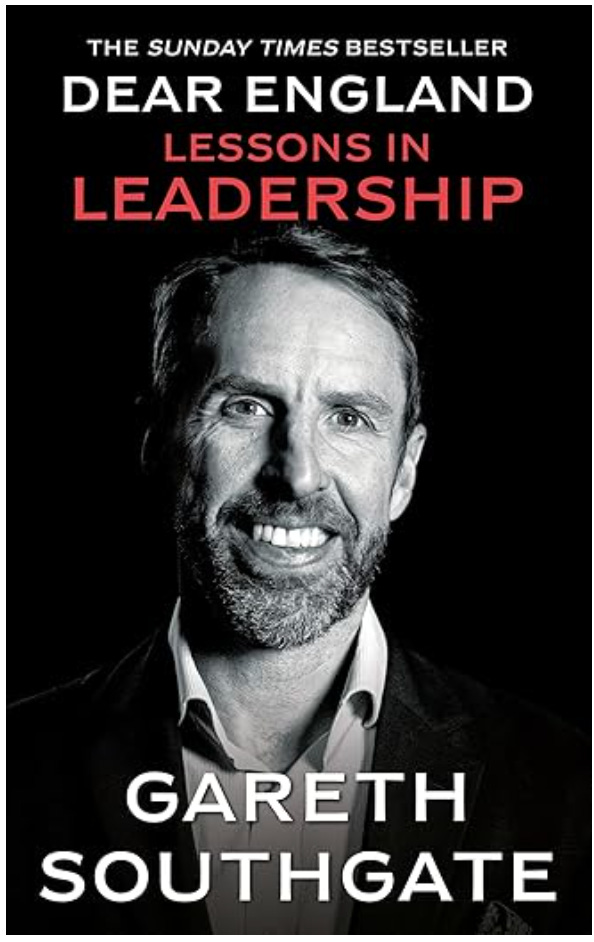
One of Gareth Southgate’s strongest contributions is his ability to articulate a shared identity that anchors behaviour. He understands that belonging precedes performance. In a corporate environment, this is often where the machinery breaks down. Short-term incentives create narrow alignment, while long-term value becomes a matter of personal interpretation. Without a common horizon, different leaders optimise for different futures, resulting in fragmented execution. The mission becomes fragile because the belief corridor is too wide.
What stood out is how easily corporate teams lose ownership of their own story. When external stakeholders misinterpret outcomes, dismiss progress, or reduce complex realities to binary judgments, internal commitment erodes. People disengage not due to lack of professionalism but because the narrative around their effort no longer reflects reality. Southgate avoids this trap by reclaiming the narrative for his team—honouring achievements, integrating setbacks, and maintaining clarity about the mission. Corporates often fail here, blending internal and external messaging into a single diluted communication that satisfies no one.
The discussion highlighted that effective leadership requires more than balance. It demands the ability to segment narratives without distorting facts, narrow the range of acceptable strategic beliefs, and eliminate unproductive variance. A team cannot operate cohesively when long-term success means different things to different people. The CEO cannot impose belief, but he can define the boundary conditions that keep the group aligned.
Ultimately, the takeaway is clear: culture is a strategic asset only when it is operationalised. Values must translate into behaviours, incentives must reinforce the long view, and the narrative must remain internally owned. Southgate’s model works not because it is inspirational but because it is structurally coherent. Corporate leadership demands the same discipline, especially under stakeholder pressure.
Note: This post was written following an in-depth debate with an AI model.